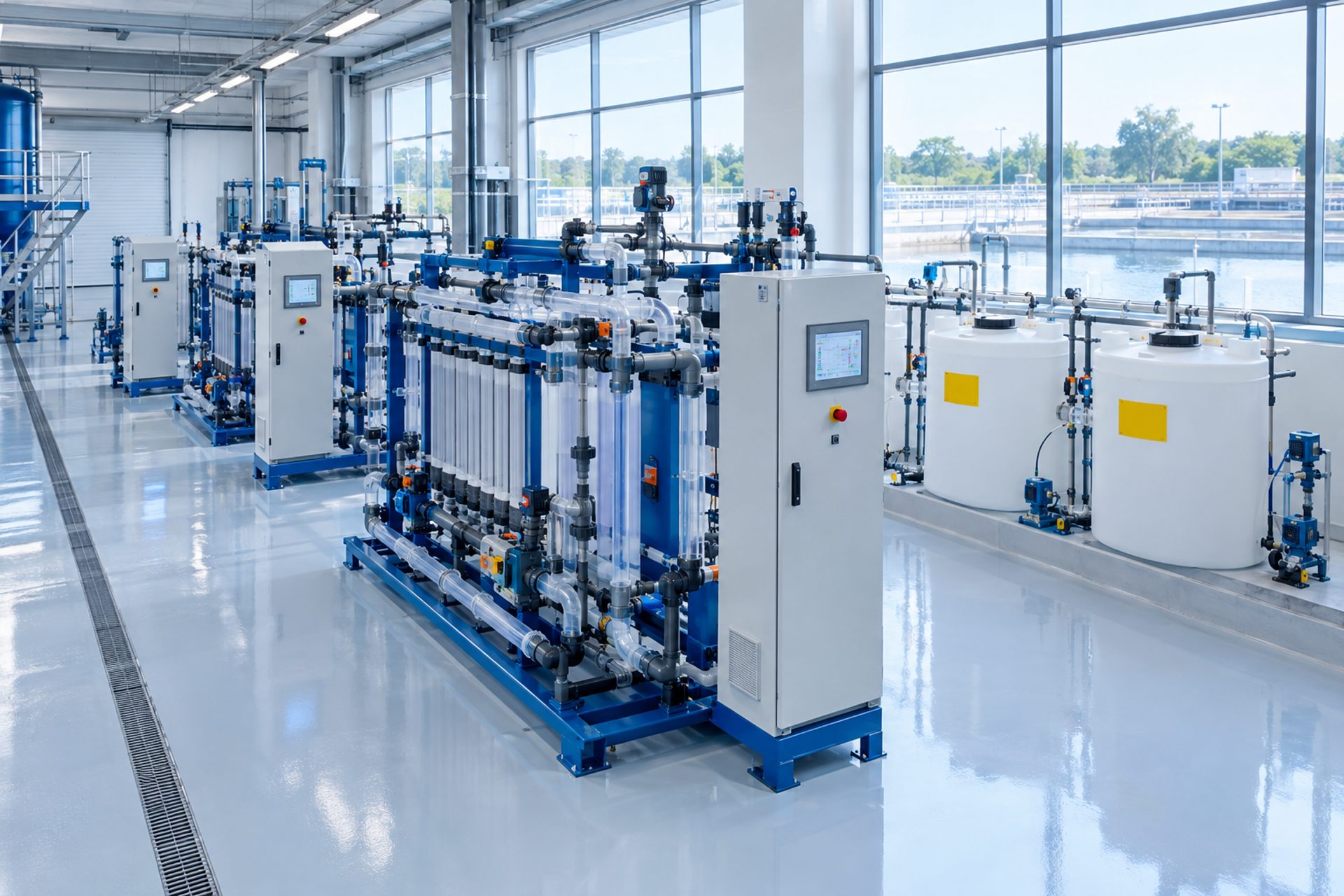
On-site chlorine generation room with electrolytic cell skids, rectifier panels and hypochlorite storage tanks

ONSITE CHLORINE GENERATION  |  0.8% & 12.5% HYPOCHLORITE  |  CHLORINE DIOXIDE

Chlorine Disinfection Systems
Safe Chlorine, Made Where You Use It

Onsite chlorine generators that turn salt, water and electricity into sodium hypochlorite at equivalent chlorine 0.8% and 12.5%, plus chlorine dioxide systems for biofilm, Legionella and process water control. Wateria Technovation sizes, supplies, installs, commissions and services chlorine disinfection systems across India and the Middle East.

Chlorine Demand Study · System Sizing · Supply · Installation · Commissioning · Service

NO CHLORINE GAS CYLINDERS. NO BULK BLEACH DELIVERIES. DISINFECTANT ON DEMAND.

  • 0.8% & 12.5%Equivalent chlorine strengths
  • Salt + Water + PowerOnly three consumables
  • Chlorine DioxidepH-independent, biofilm control
  • PLC & Residual ControlAutomatic, SCADA ready
  • India + UAESupply & support by Wateria

OUR CHLORINE DISINFECTION SYSTEMS

Three Ways to Disinfect with Chlorine, Safely

Choose low-strength onsite generation for simple, non-hazardous dosing, high-strength onsite generation for large plants with limited storage space, or chlorine dioxide where biofilm, Legionella or disinfection by-products are the main concern.

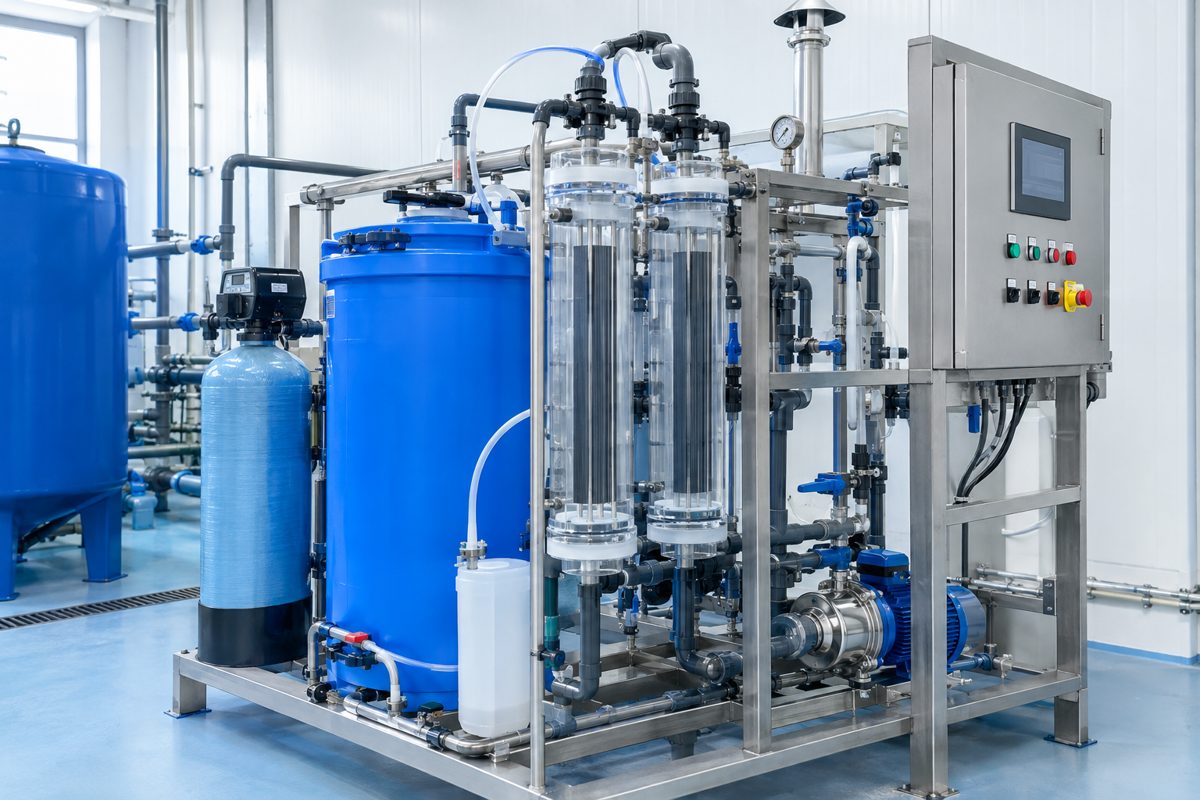
Skid-mounted electrochlorination system with tubular electrolytic cells, brine tank and softener01

ONSITE CHLORINE GENERATOR · EQUIVALENT CHLORINE 0.8%

Low-Strength Onsite Chlorine Generator (0.8%)

An electrochlorination system that passes diluted brine through an undivided electrolytic cell to produce a 0.8% sodium hypochlorite solution (about 8 g/L of available chlorine). The solution is stored in a day tank and dosed with standard metering pumps. Hydrogen, the only by-product, is safely diluted and vented.

  • 0.8%equivalent chlorine (8 g/L)
  • 1–1,000+ kg/daymodular, cells in parallel
  • ~3 kg saltand ~4.5 kWh per kg chlorine
  • Non-hazardous solution below 1% strength
  • Titanium DSA-type coated electrodes
  • Water softener, brine saturator and rectifier
  • Hydrogen dilution blower and vented storage
  • Automatic start / stop on tank level
  • Lower pH impact and less scaling than bulk bleach

Ideal for: drinking water plants, STP / ETP disinfection, swimming pools, hotels, hospitals, townships, cooling towers and food plants.
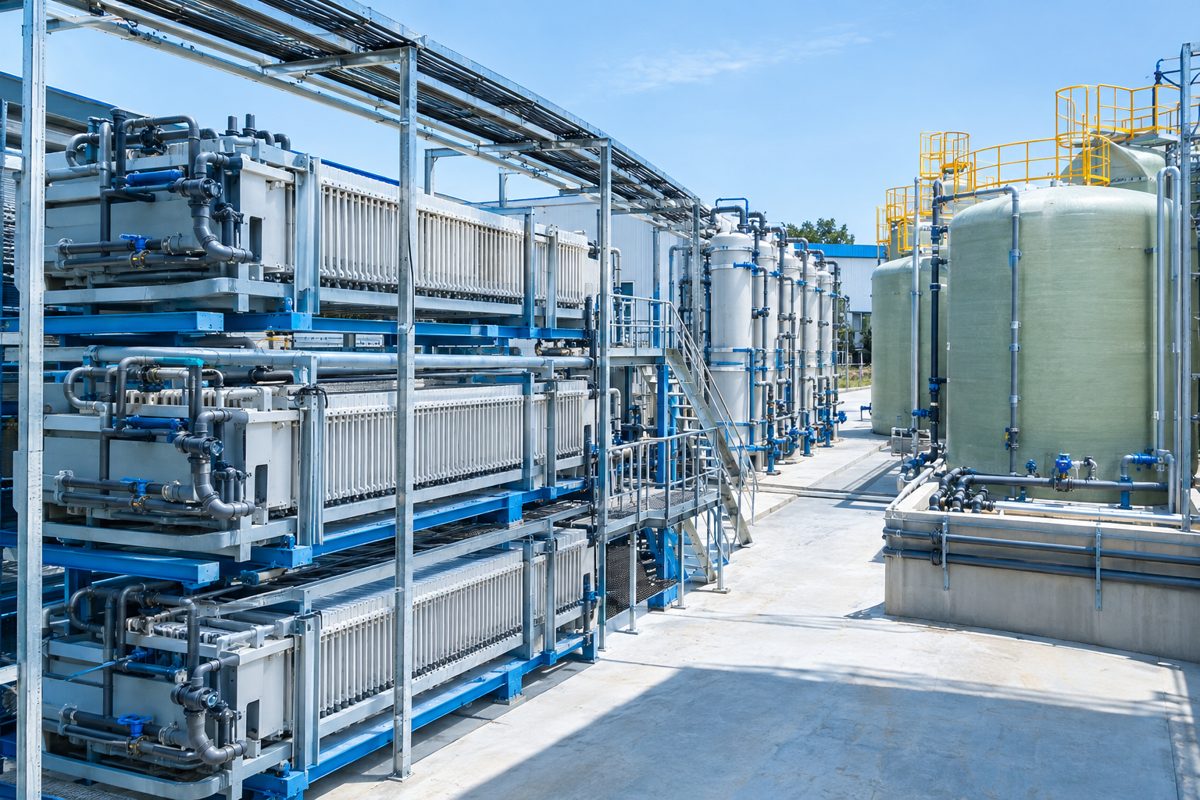
Membrane-cell chlorine generation plant with electrolyzers and hypochlorite storage tanks02

ONSITE CHLORINE GENERATOR · EQUIVALENT CHLORINE 12.5%

High-Strength Onsite Chlorine Generator (12.5%)

A membrane-cell electrolyser splits purified brine into chlorine and caustic soda in separate chambers. The two are then reacted to form commercial-strength 12.5% sodium hypochlorite. The same plant can also supply caustic soda for pH correction, or chlorine gas at below atmospheric pressure where required.

  • 12.5%commercial-strength hypochlorite
  • 0.1–20 TPDequivalent chlorine
  • 1/15 storagevolume vs 0.8% solution
  • Ion-exchange membrane electrolysers
  • Brine purification with chelating resin softener
  • Co-produces caustic soda (NaOH)
  • Optional chlorine gas output at low pressure
  • Replaces bulk 10–12.5% bleach deliveries
  • PLC / SCADA control, skid or containerised build

Ideal for: municipal water and sewage utilities, large desalination and reuse plants, industrial estates, power plants and remote sites with long chemical supply chains.

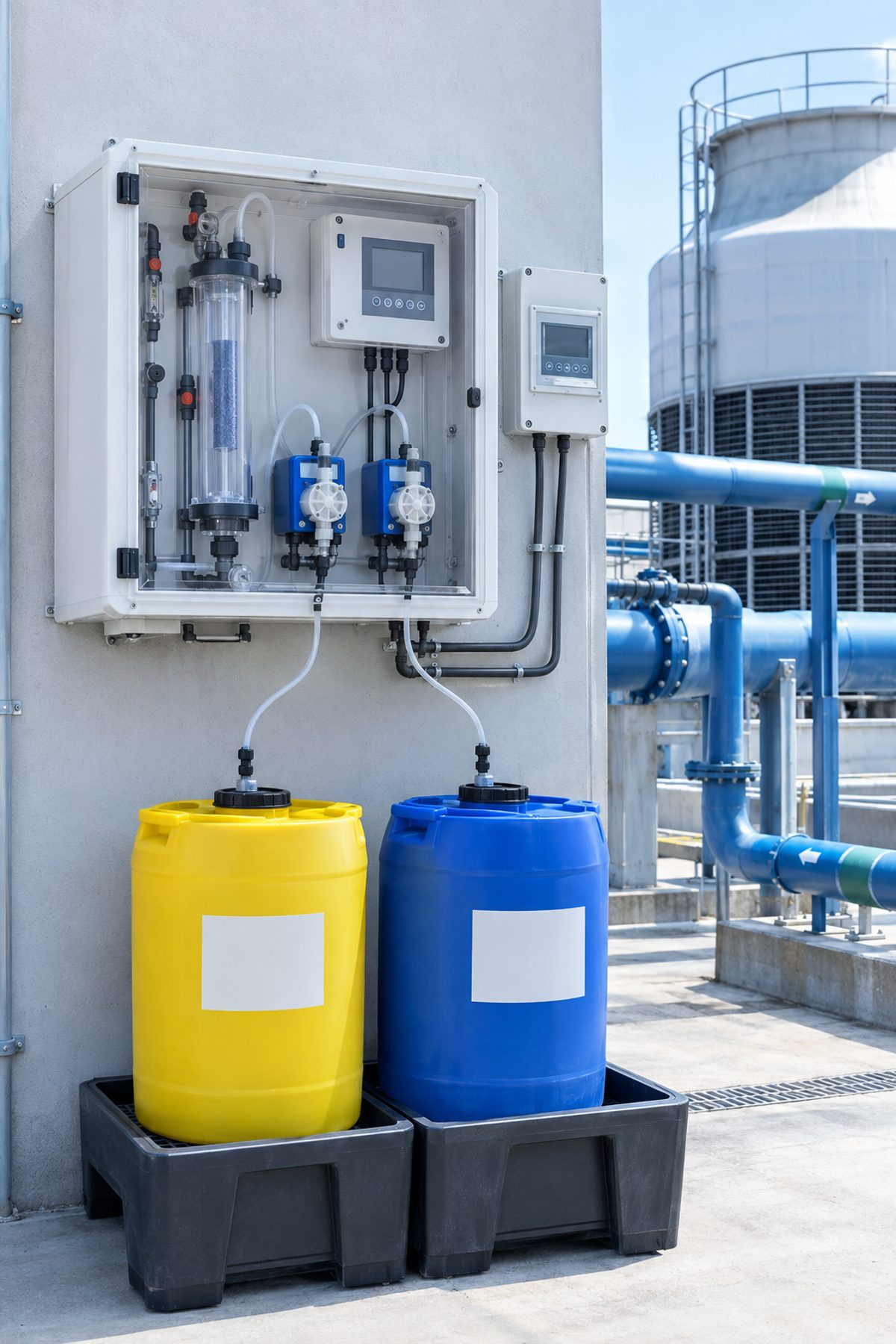
Wall-mounted chlorine dioxide generator cabinet with dosing pumps and chemical drums on spill pallets03

CHLORINE DIOXIDE · GENERATED ON DEMAND

Chlorine Dioxide System

Chlorine dioxide cannot be stored or transported, so it is generated at the point of use. Our systems react sodium chlorite with hydrochloric acid (acid-chlorite process), or with hypochlorite and acid (chlorite-chlorine process), in a closed reactor and dose the solution directly into the water.

  • 5 g/h–200 kg/hClO2 output
  • pH 4 – 10stays effective across range
  • 0.25 – 1 ppmtypical residual in cooling water
  • Removes and controls biofilm in pipes and loops
  • Strong Legionella and Pseudomonas control
  • Does not form THMs or chlorinated organics
  • Oxidises iron, manganese, taste and odour
  • Batch or continuous submerged-reactor designs
  • Residual analyser, leak and level interlocks

Ideal for: cooling towers, hospital and hotel hot water systems, food and beverage plants, dairies, breweries, poultry drinking water, produce washing and distribution networks.

HOW IT WORKS

From Salt to
Safe Disinfectant

NaCl + H2O + electricity → NaOCl + H2

Softened water dissolves food-grade salt into brine. A low-voltage DC current from the rectifier converts the brine into sodium hypochlorite inside the electrolytic cell. The solution is stored in a vented tank and dosed in proportion to flow or residual chlorine. For chlorine dioxide, two precursor chemicals react in a closed reactor and the ClO2 solution is injected straight into the water.

Compare the Systems →

ONSITE CHLORINE GENERATION (0.8% / 12.5%)

  1. 1Salt & Soft Water
  2. 2Brine Saturator
    Purifier for 12.5%
  3. 3Electrolytic Cell
    DC rectifier
  4. 4Hydrogen Venting & Storage
  5. 5Metering Pumps
    Flow / residual
  6. ✓Disinfected Water

CHLORINE DIOXIDE GENERATION

  1. ASodium Chlorite
  2. BAcid / Hypochlorite
  3. CClosed Reactor
  4. DDirect Injection
  5. EResidual Monitor

APPLICATIONS

Chlorine Disinfection Across Every Sector

A lasting chlorine residual keeps water safe from the treatment plant to the last tap. We match the system to your flow, chlorine demand, storage space and safety requirements.

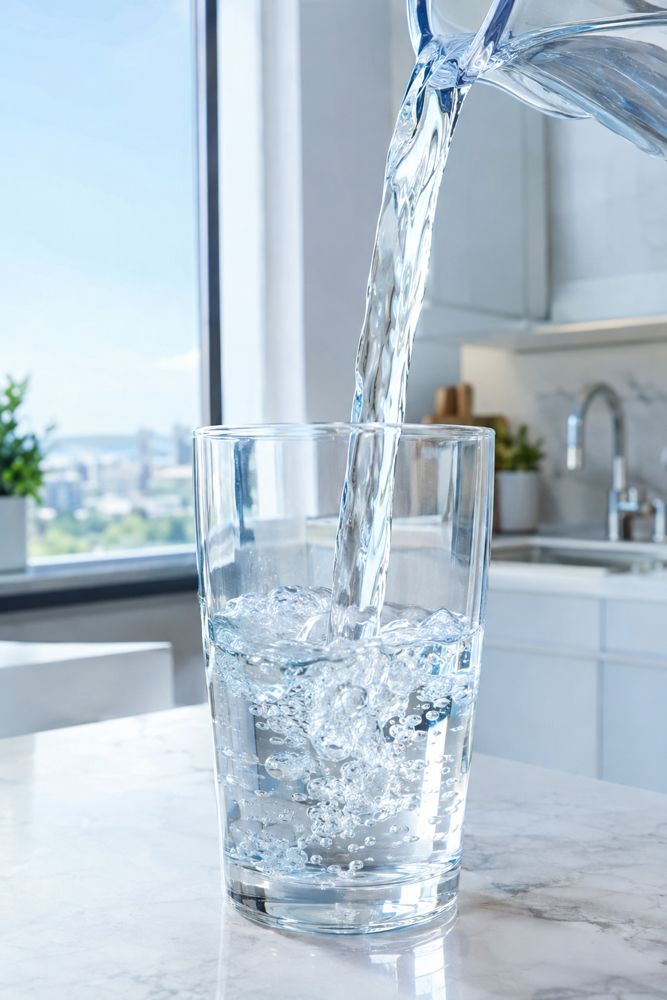
Glass being filled with clean drinking water

Drinking & Municipal Water

Primary disinfection and distribution residual for WTPs, reservoirs and networks

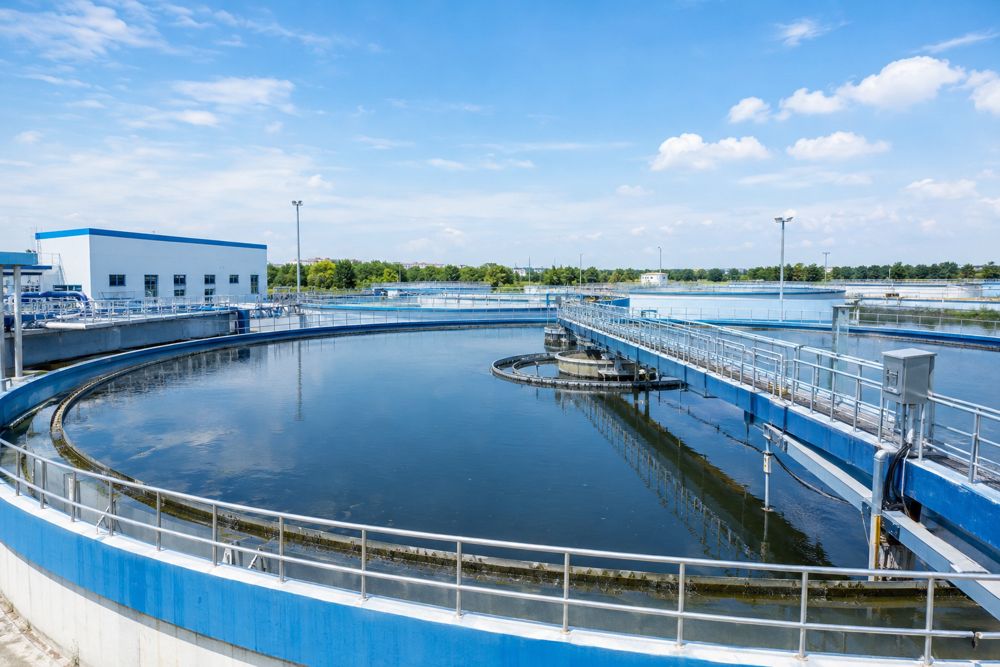
Wastewater treatment clarifier

STP / ETP & Water Reuse

Final disinfection of treated sewage and effluent before reuse or discharge

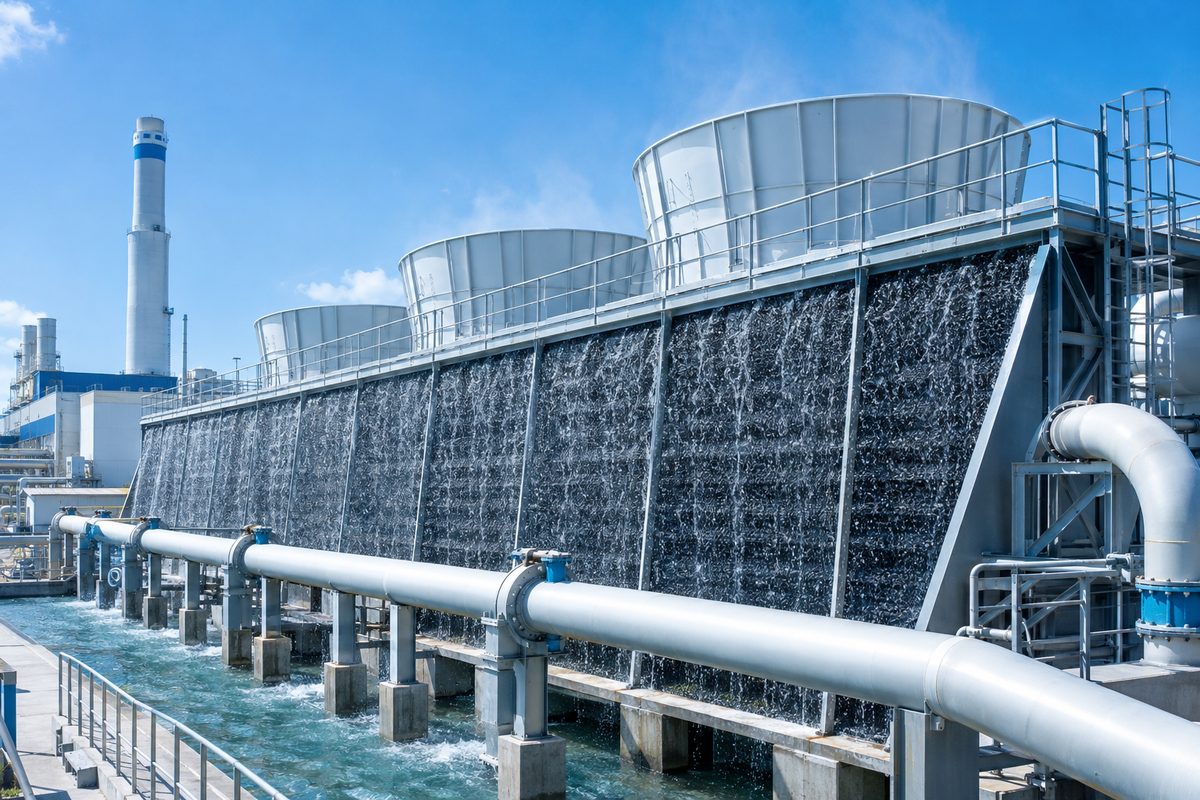
Industrial cooling tower

Cooling Towers & HVAC

Biofouling, algae and Legionella control in cooling and chilled water circuits

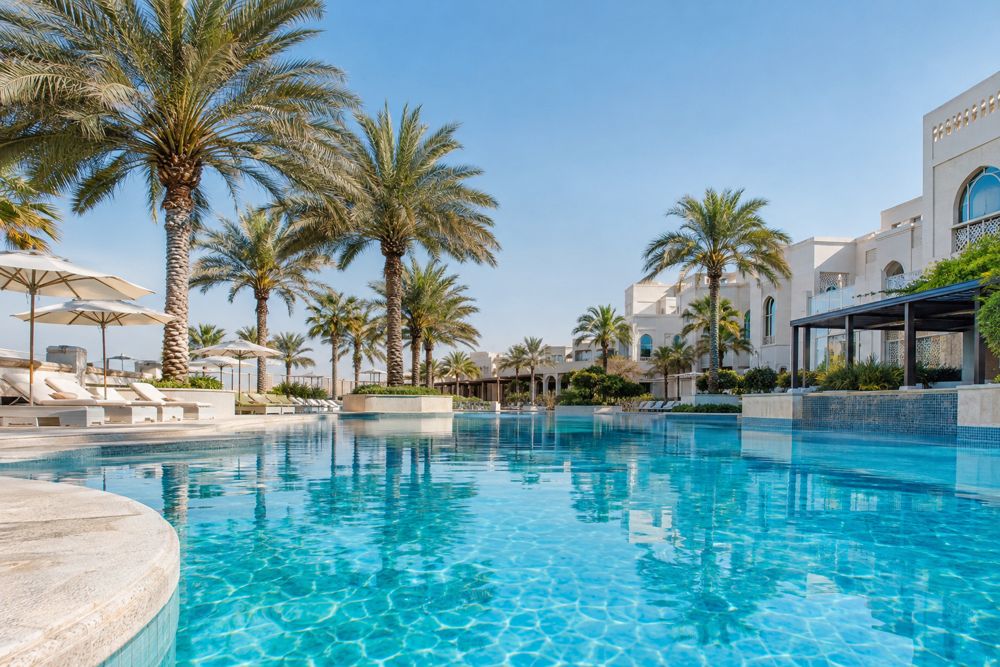
Swimmers in a pool

Swimming Pools & Water Parks

Steady free chlorine without handling bleach drums or tablets

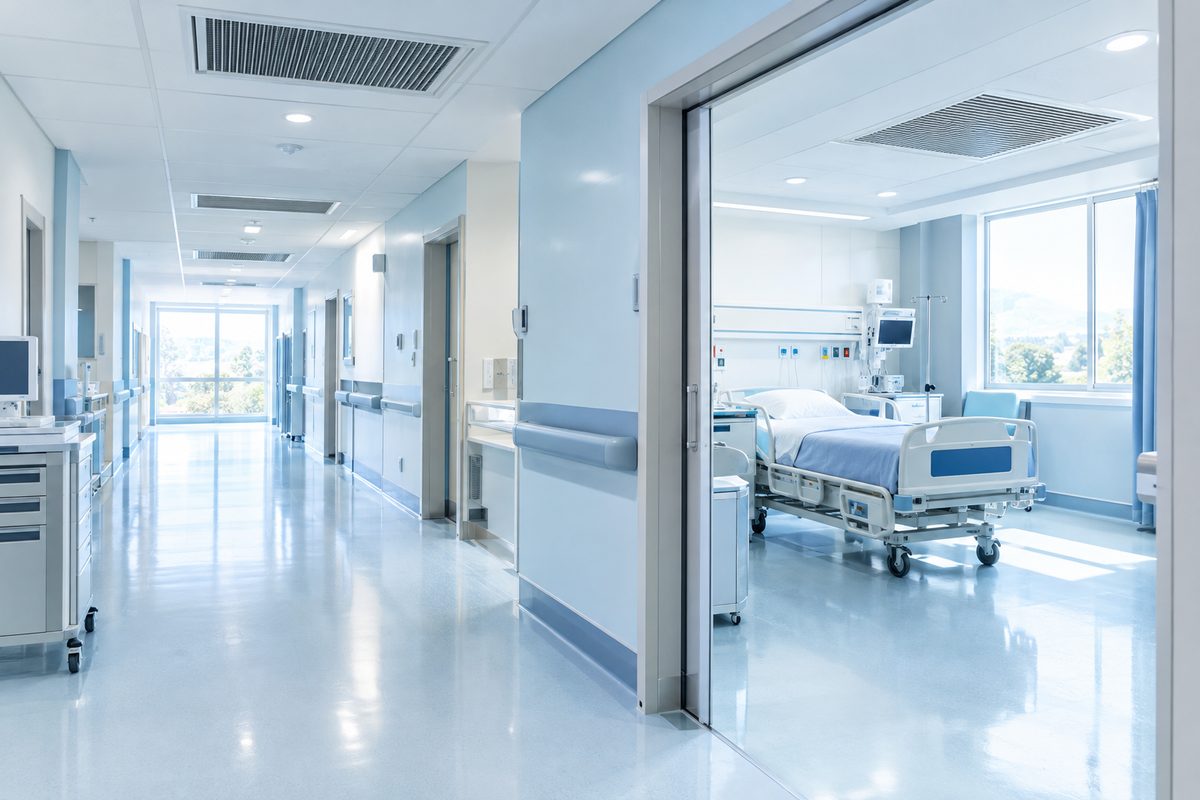
Clean hospital corridor

Hospitals & Hotels

Hot and cold water loop protection against Legionella and biofilm

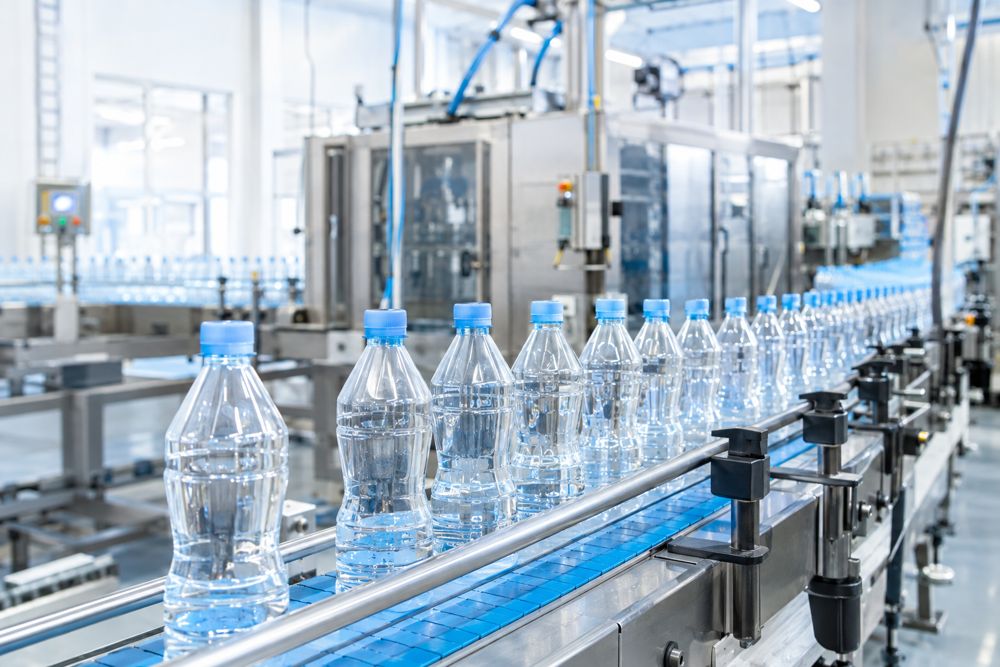
Beverage bottles on a filling line

Food, Beverage & Dairy

Process water, CIP, bottle rinse, produce washing and flume water

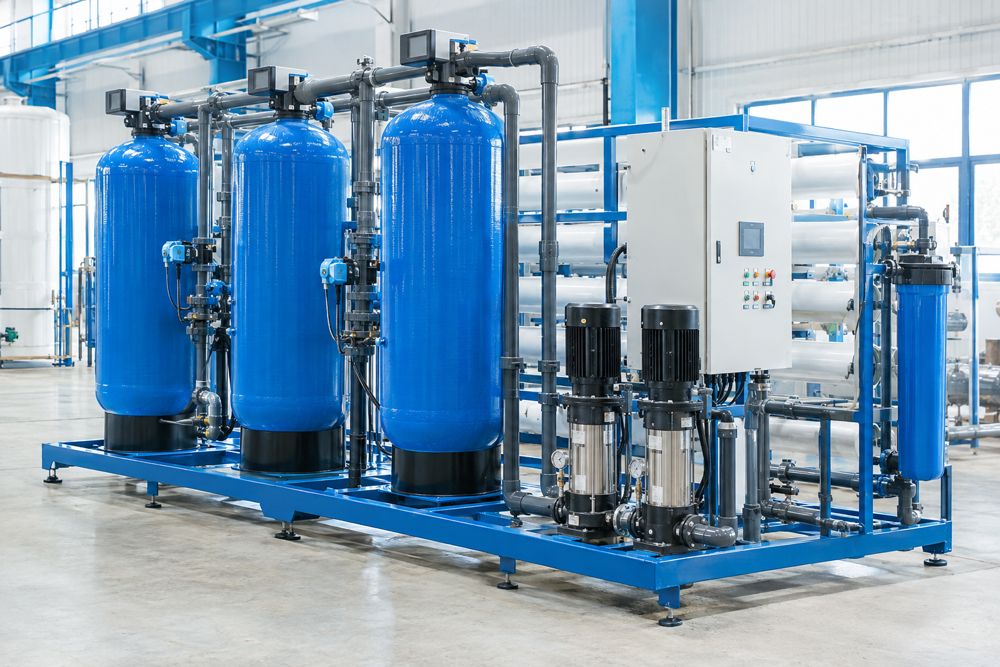
Industrial process water treatment skid

Industry, Power & Desalination

Seawater intake anti-fouling, RO pre-treatment and process water

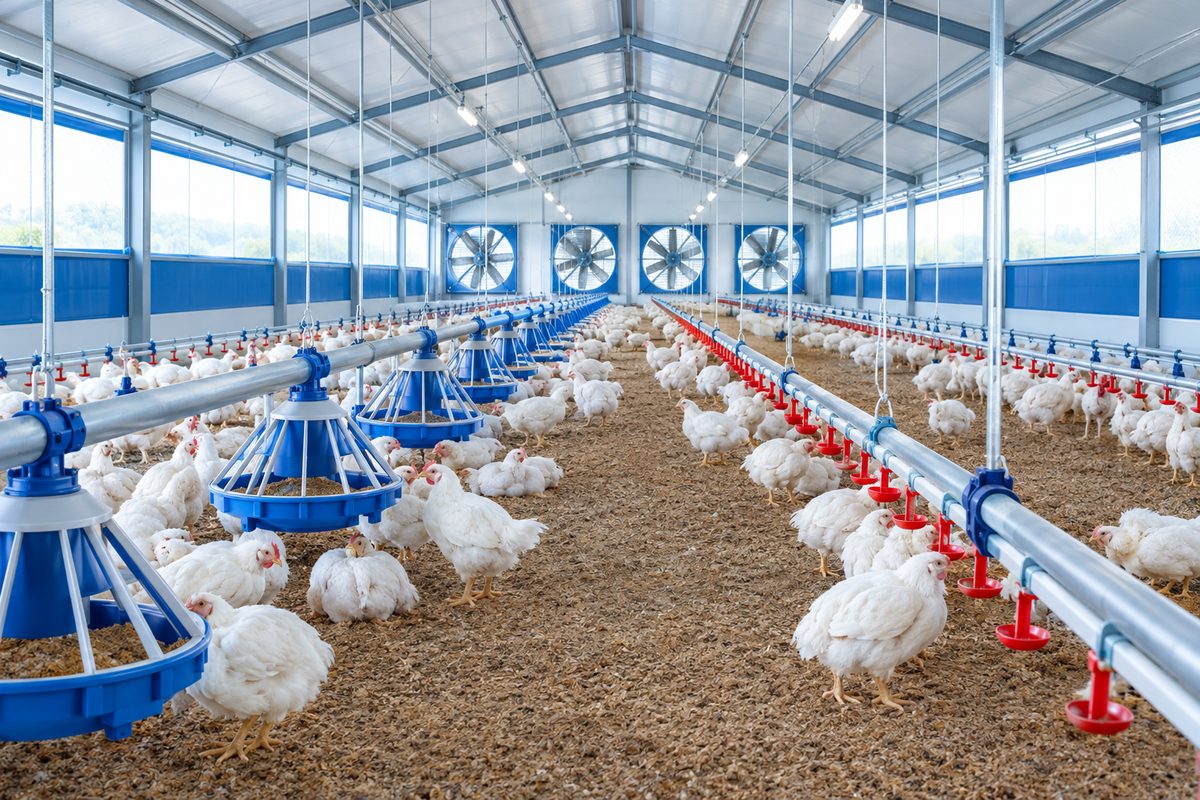
Poultry shed with ventilation fans

Poultry, Livestock & Farms

Drinking water line disinfection and biofilm removal in nipple lines

QUICK SELECTION GUIDE

Which Chlorine Disinfection System Fits?

ParameterOnsite Generator 0.8%Onsite Generator 12.5%Chlorine Dioxide System
Product0.8% sodium hypochlorite12.5% sodium hypochlorite (+ NaOH, optional Cl2)ClO2 solution, about 1–3 g/L
TechnologyUndivided electrolytic cellIon-exchange membrane cellAcid-chlorite or chlorite-chlorine reactor
ConsumablesSalt, water, electricityHigh-purity salt, water, electricitySodium chlorite + HCl (or hypochlorite)
Typical capacity1 kg – 1,000+ kg/day100 kg/day – 20 TPD5 g/h – 200 kg/h
Storage needLarger day tankAbout 1/15 of 0.8% volumeNo product storage, made on demand
Handling hazardLow, non-hazardous below 1%Moderate, like commercial bleachPrecursors need bunded, separate storage
Disinfection by-productsLow chlorate when freshFresh product, lower chlorate than aged bleachNo THMs; chlorite to be monitored
Best forSmall to mid plants, pools, hotels, STPsLarge utilities, reuse and desalination plantsCooling towers, Legionella, food, biofilm

Figures are indicative and vary by model and supplier. Final selection depends on flow, chlorine demand, water quality, storage space and local regulations.

WHY GENERATE ON SITE

Onsite Generation Compared with Delivered Chlorine

ParameterOnsite GenerationChlorine Gas CylindersDelivered Bulk Bleach
Safety riskLow, no toxic gas storedHigh, toxic gas leak riskModerate, corrosive liquid
Supply chainOnly salt deliveriesCylinder refills and transportFrequent tanker or drum deliveries
Product strengthConsistent, always freshConsistentLoses strength during storage
Chlorate build-upLow, product used quicklyNoneRises with age and heat
Operating costLow, salt and power onlyLow chemical cost, high safety costHighest per kg of chlorine
Permits & complianceSimplestStrictest licensing and safety rulesHazardous chemical storage rules

In hot climates such as the GCC, delivered bleach loses strength faster and forms more chlorate, which makes onsite generation especially attractive.

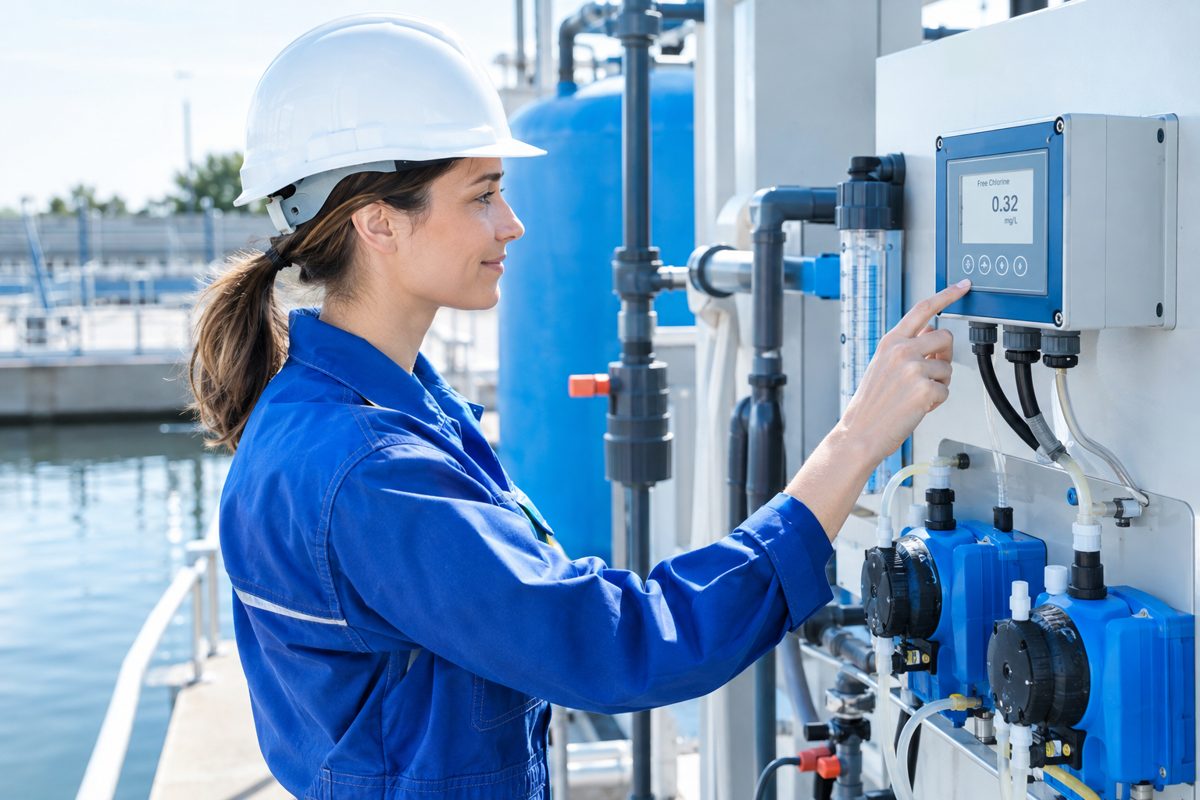
Engineer checking a free chlorine analyser on a dosing control panel

Why Choose Wateria Chlorine Systems

Safer by Design

No gas cylinders, less hazardous storage.

Every Scale

From 1 kg/day to 20 tonnes/day.

Low Running Cost

Salt and power instead of bought chlorine.

Smart Dosing

Flow-paced and residual-based control.

Engineered Sizing

Based on chlorine demand and contact time.

Lifecycle Support

Cell recoating, spares and AMC in India & UAE.

HOW WATERIA SUPPORTS YOU

From Chlorine Demand to Lifetime Service

  1. 01

    Demand Study

    Flow, water quality, chlorine demand and target residual.

  2. 02

    System Selection

    0.8%, 12.5% or chlorine dioxide, sized with redundancy.

  3. 03

    Supply & Integration

    Generator, storage, dosing pumps, analysers and controls.

  4. 04

    Installation & Commissioning

    Start-up, safety checks and operator training.

  5. 05

    Service & Spares

    Cell cleaning and recoating, consumables and AMC.

Need a Chlorine Disinfection System?

Let's size the right system for your plant.

Share your flow rate, water source, required chlorine dose or residual and application. Our engineering team will recommend the right onsite chlorine generator or chlorine dioxide system and send a techno-commercial offer.